Photos by PETER
While away, I wanted to capture some of my experiences, so I created this series as a way to gesture towards the role of the interpreter in creation.
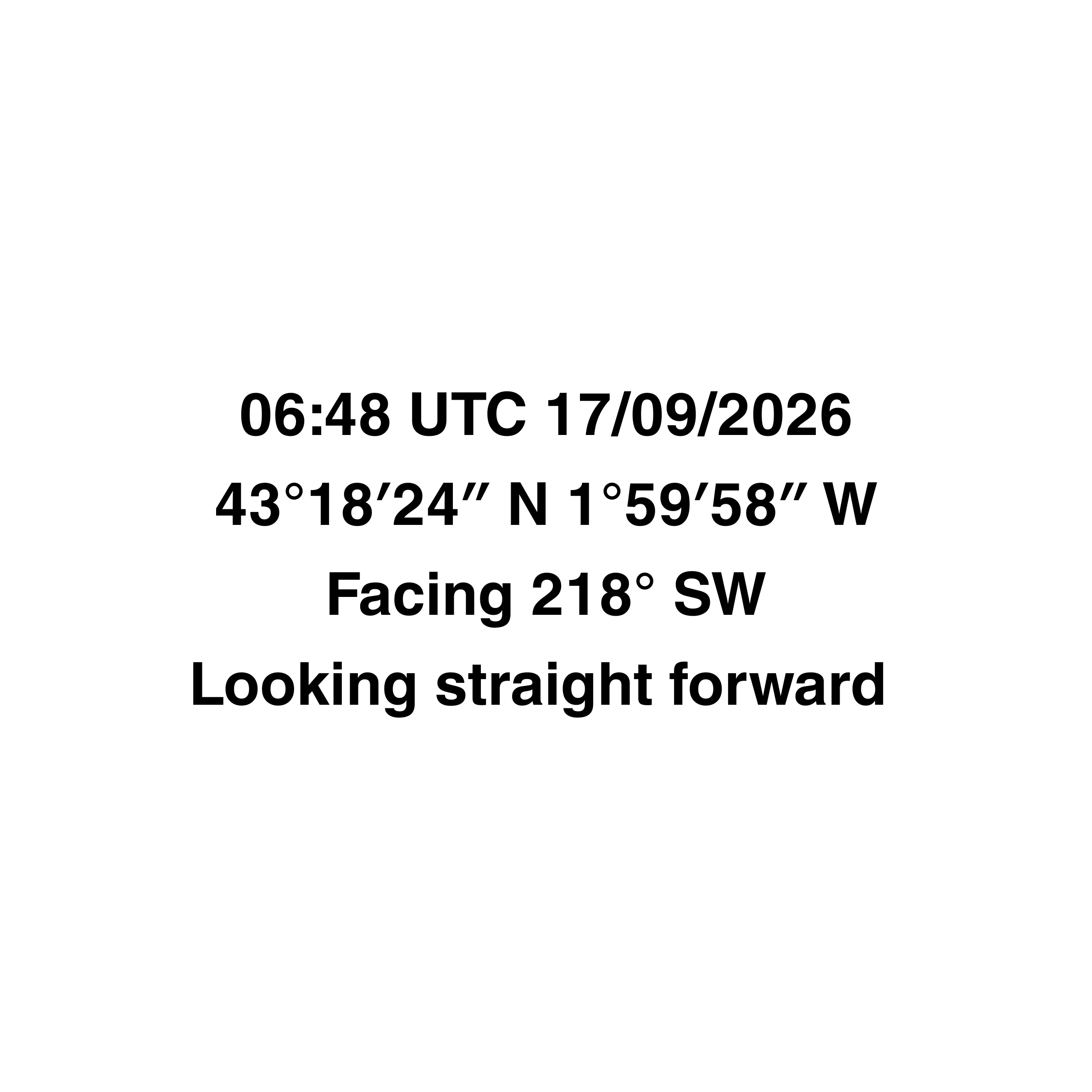
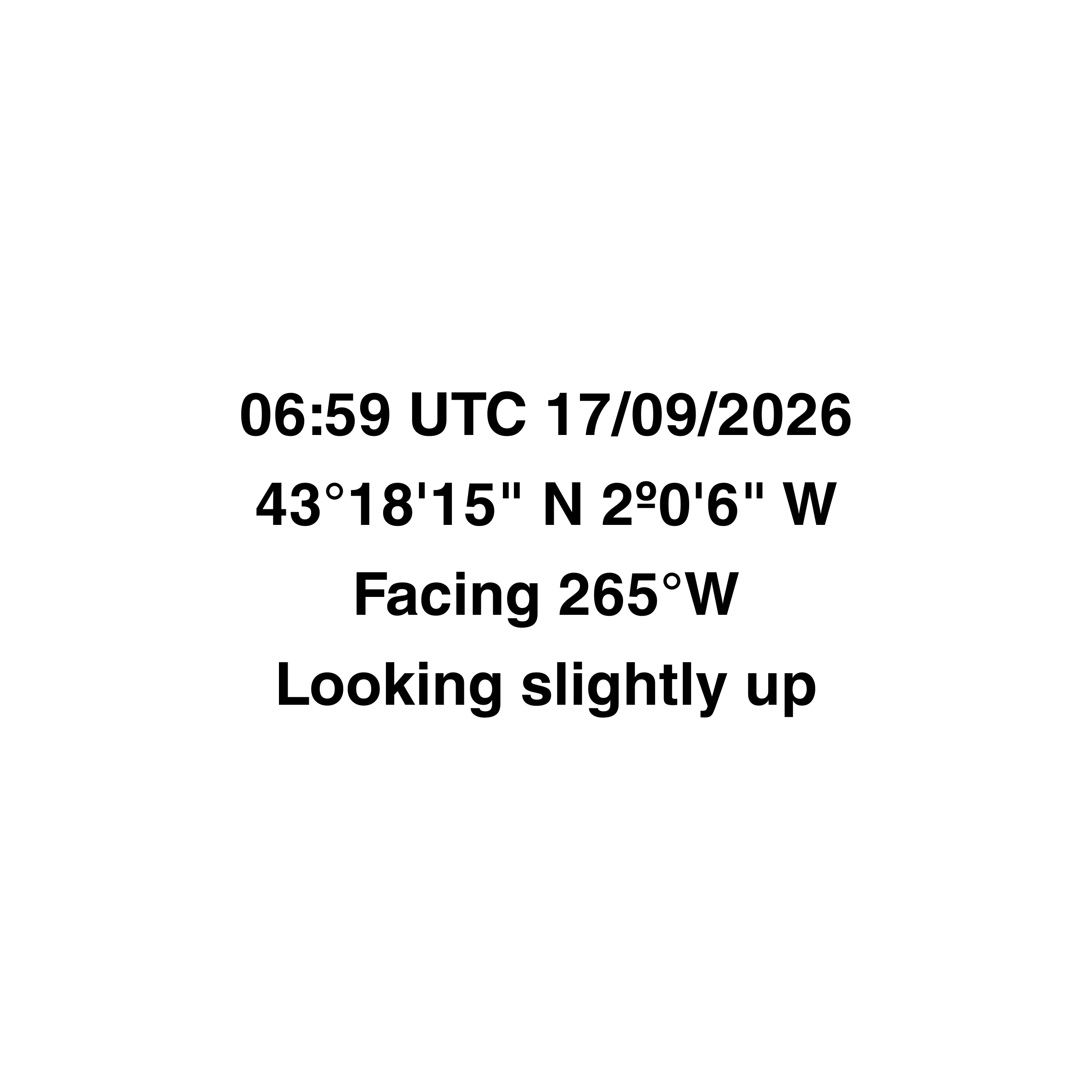
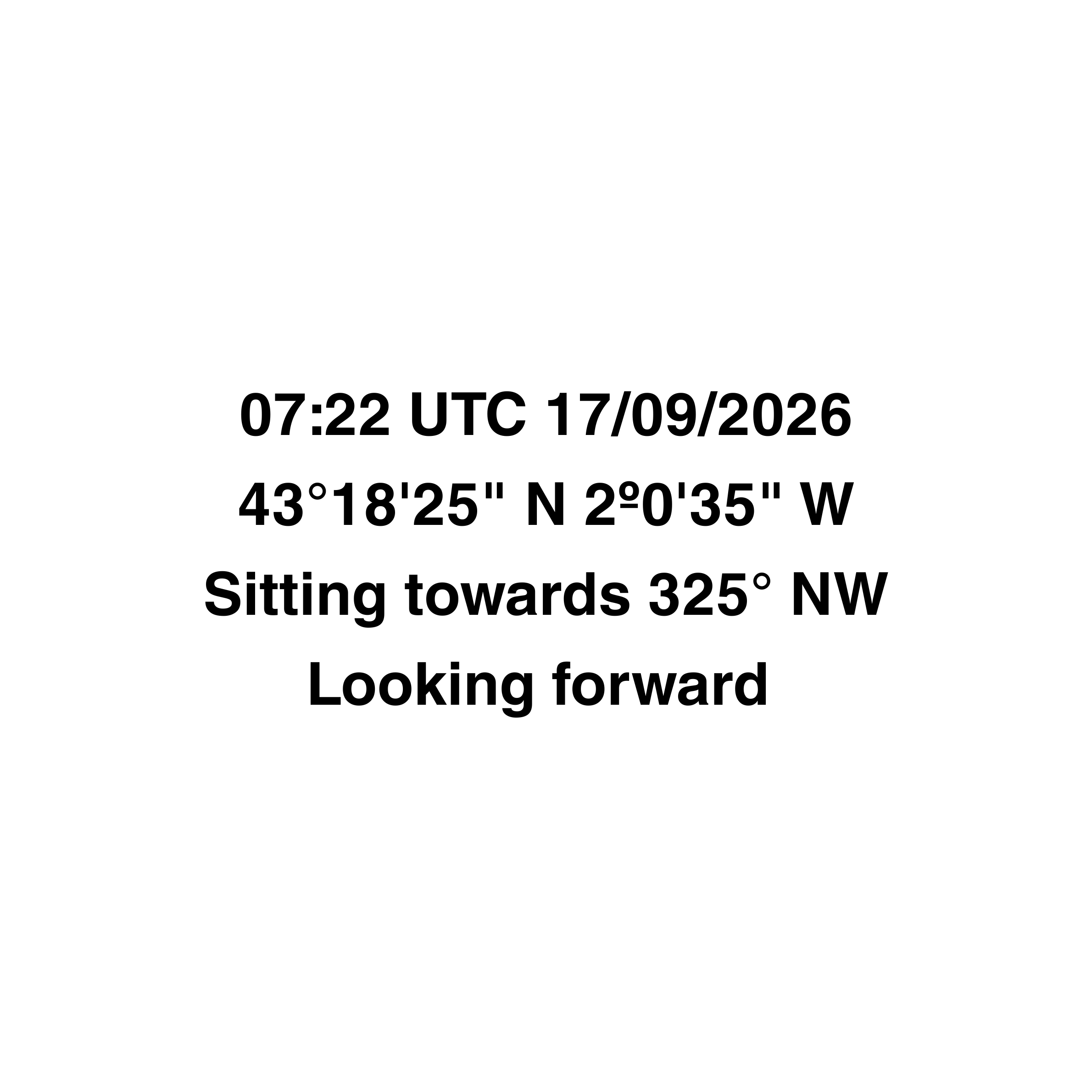
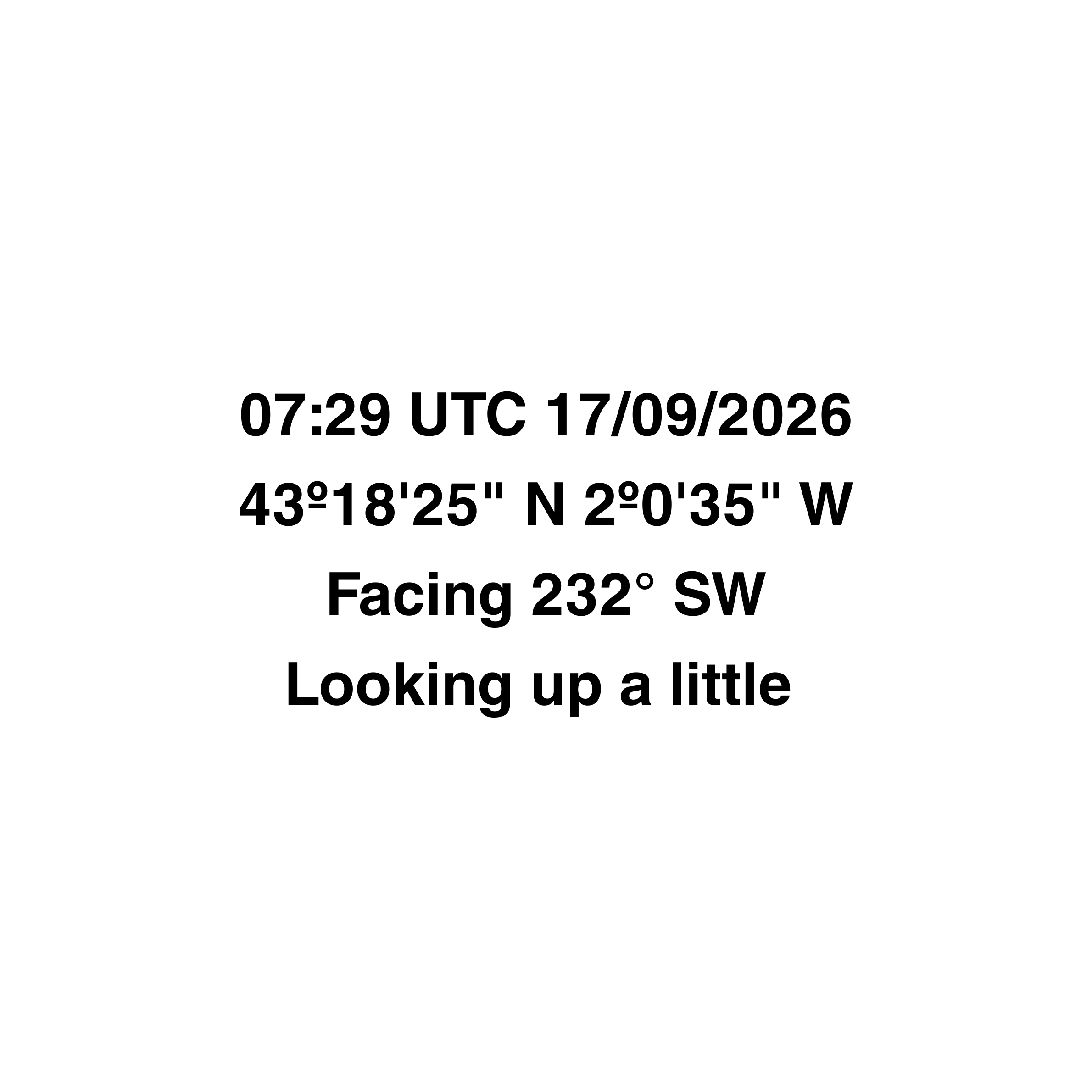
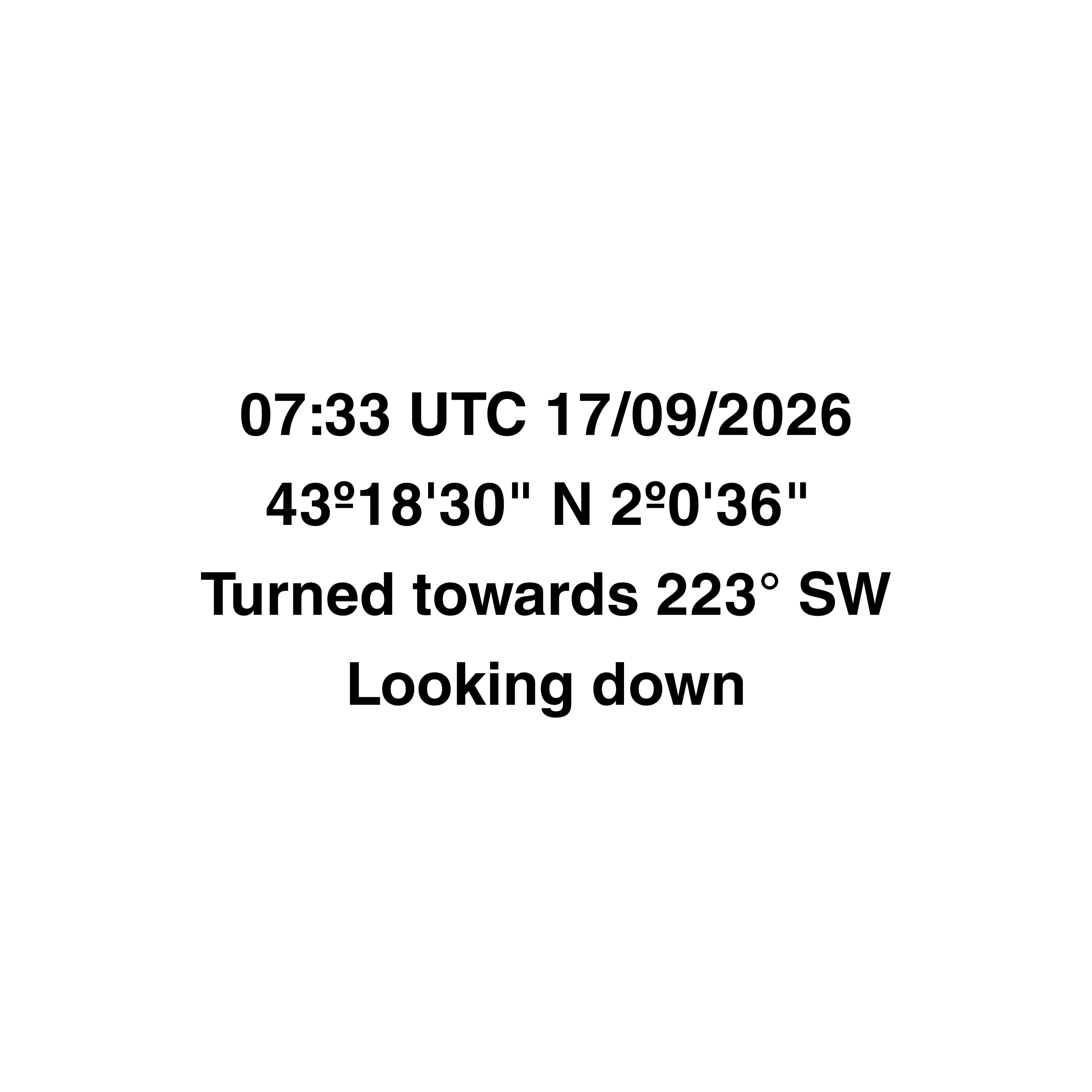
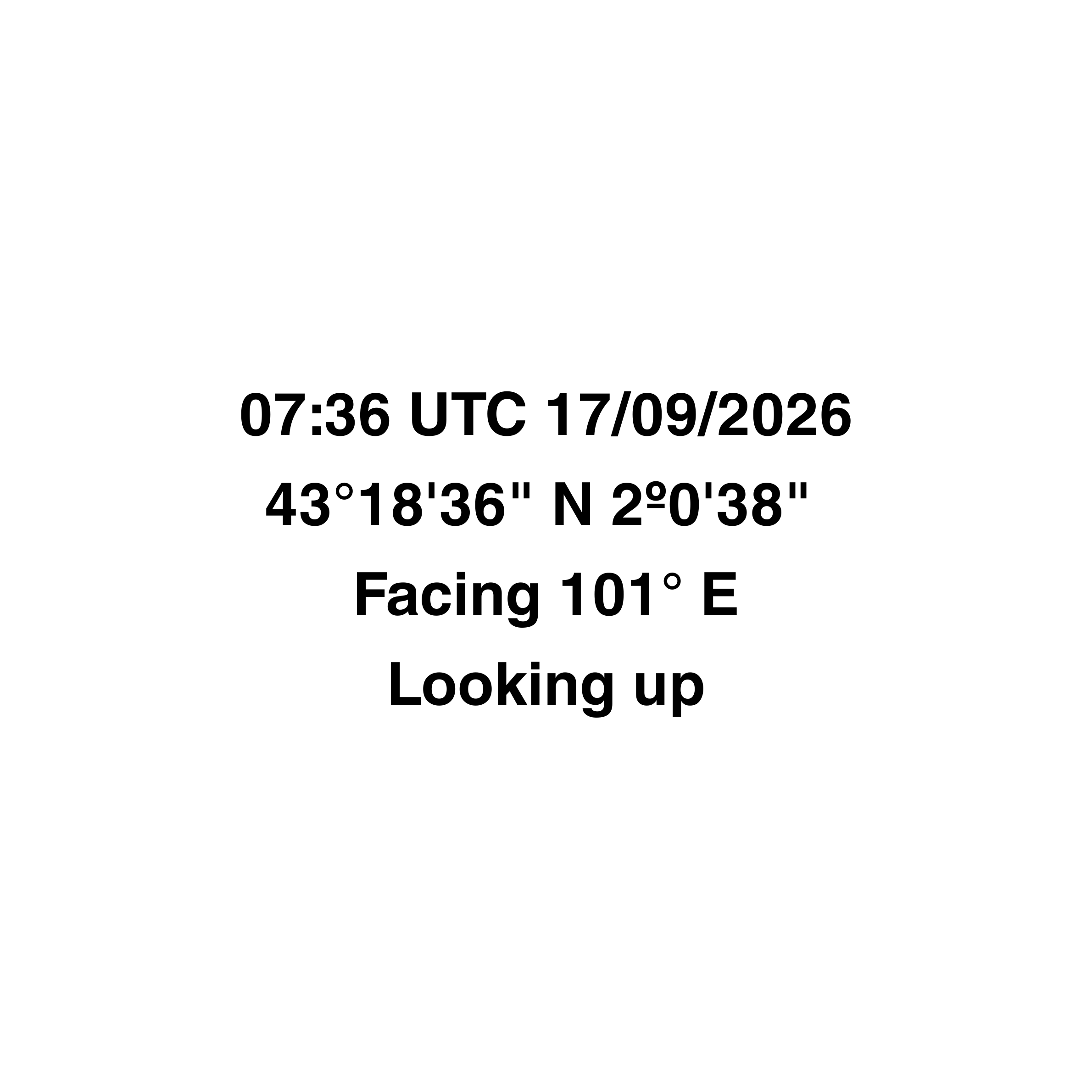
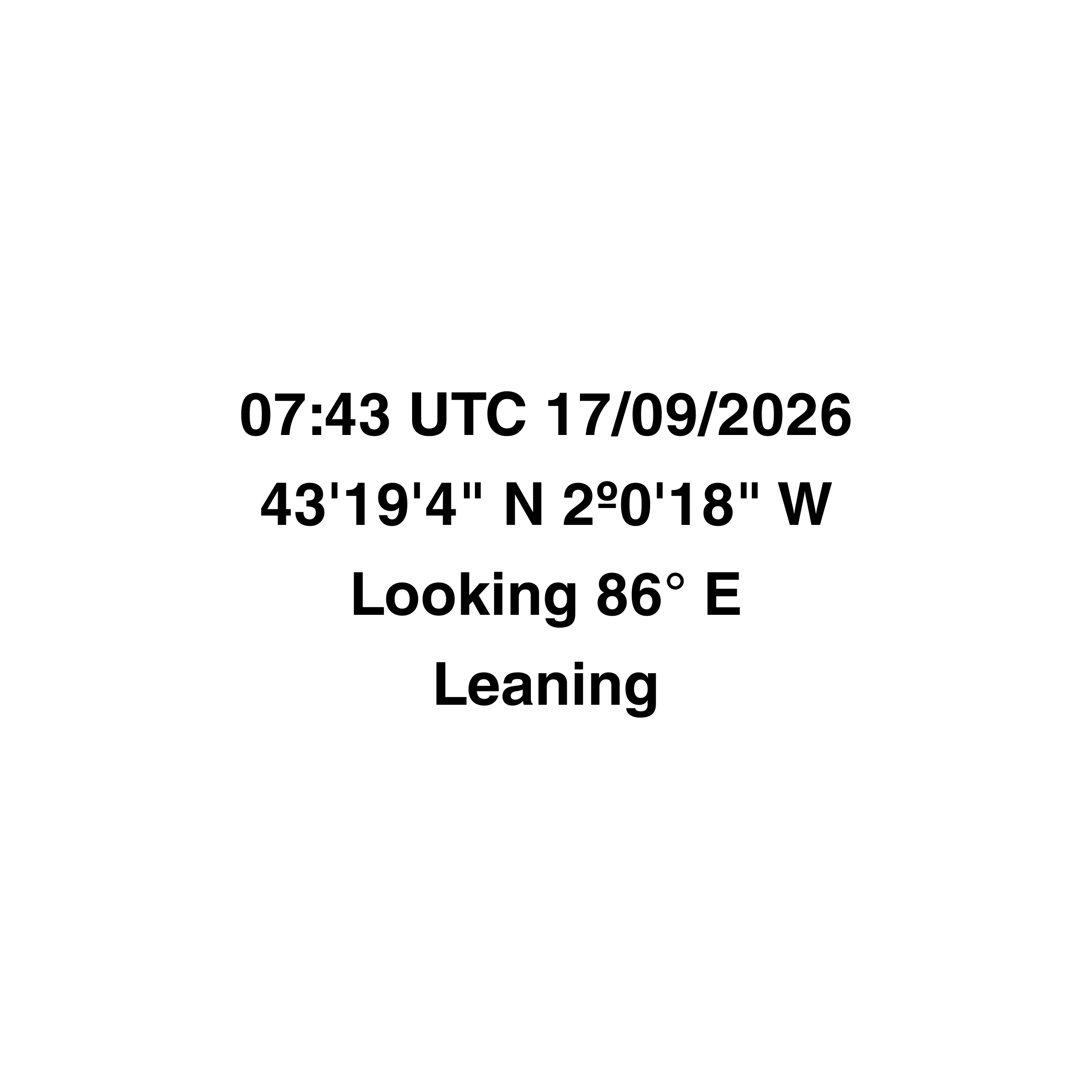
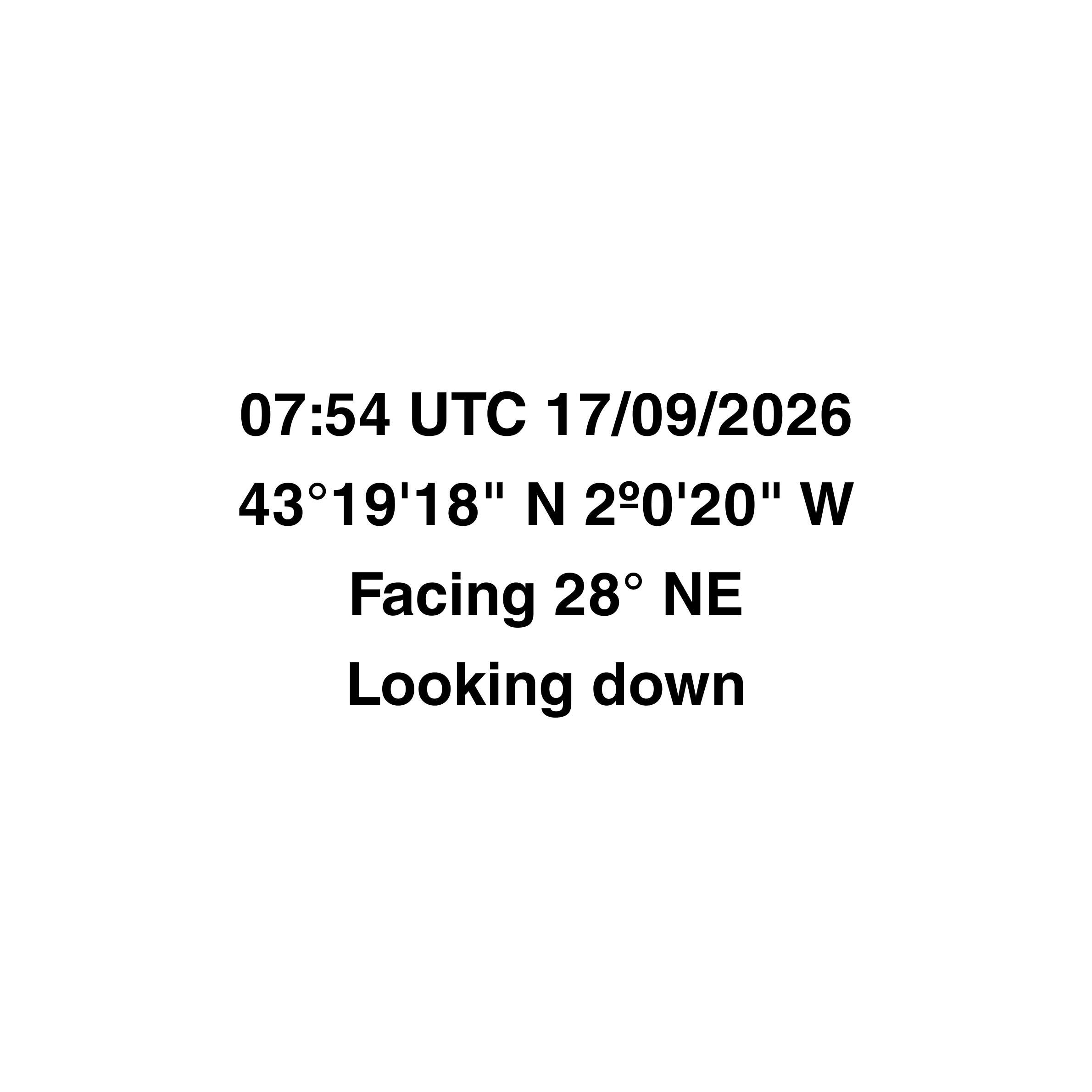
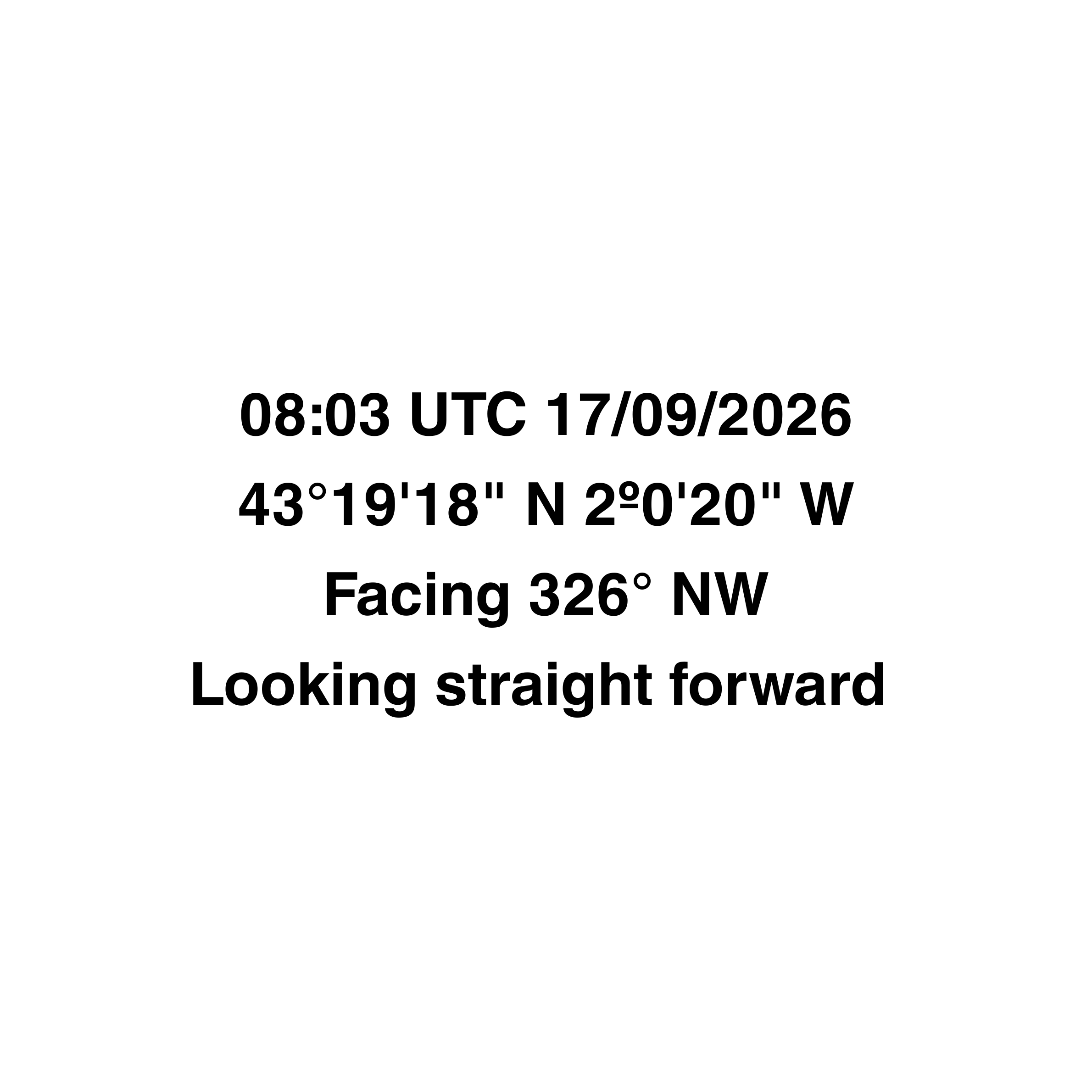
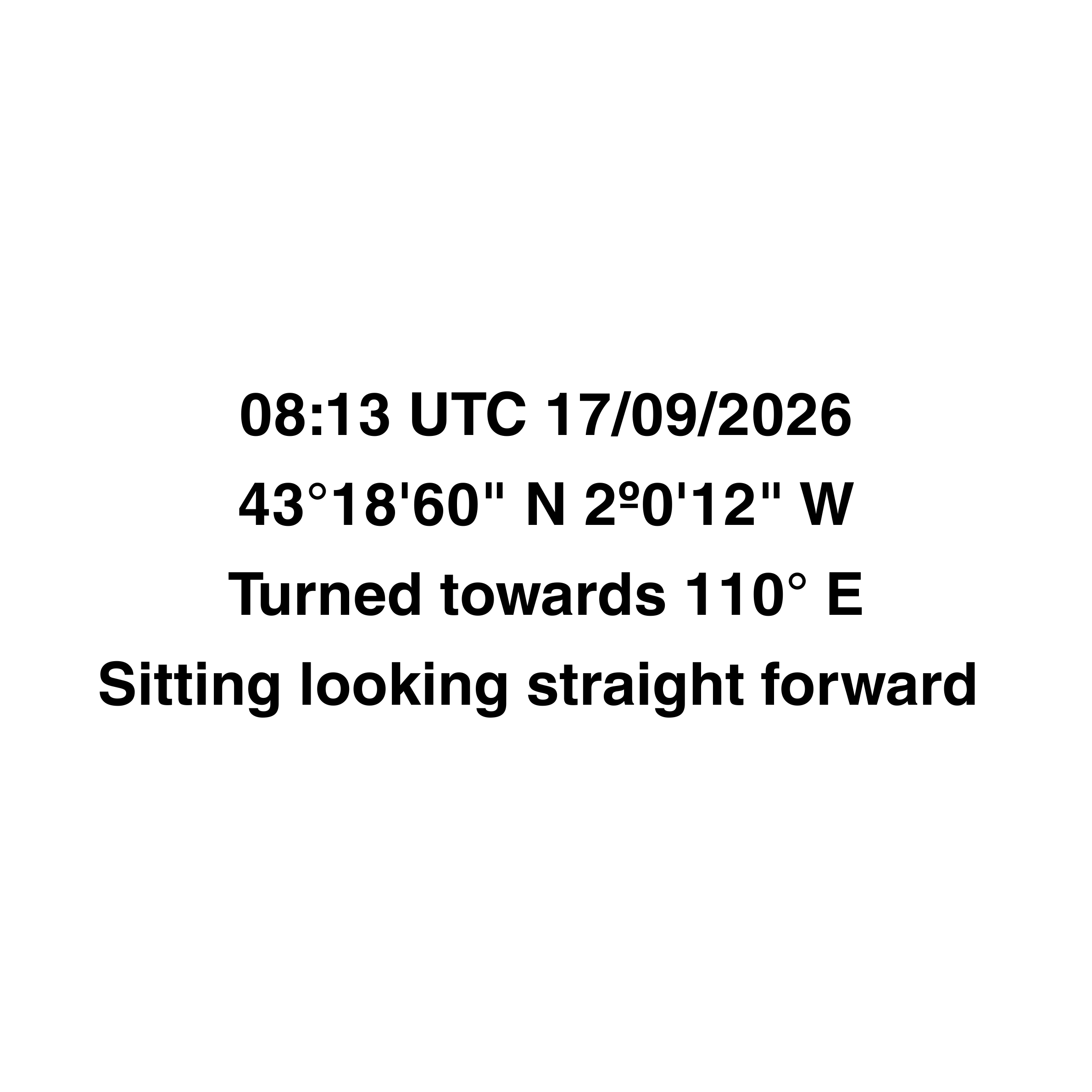
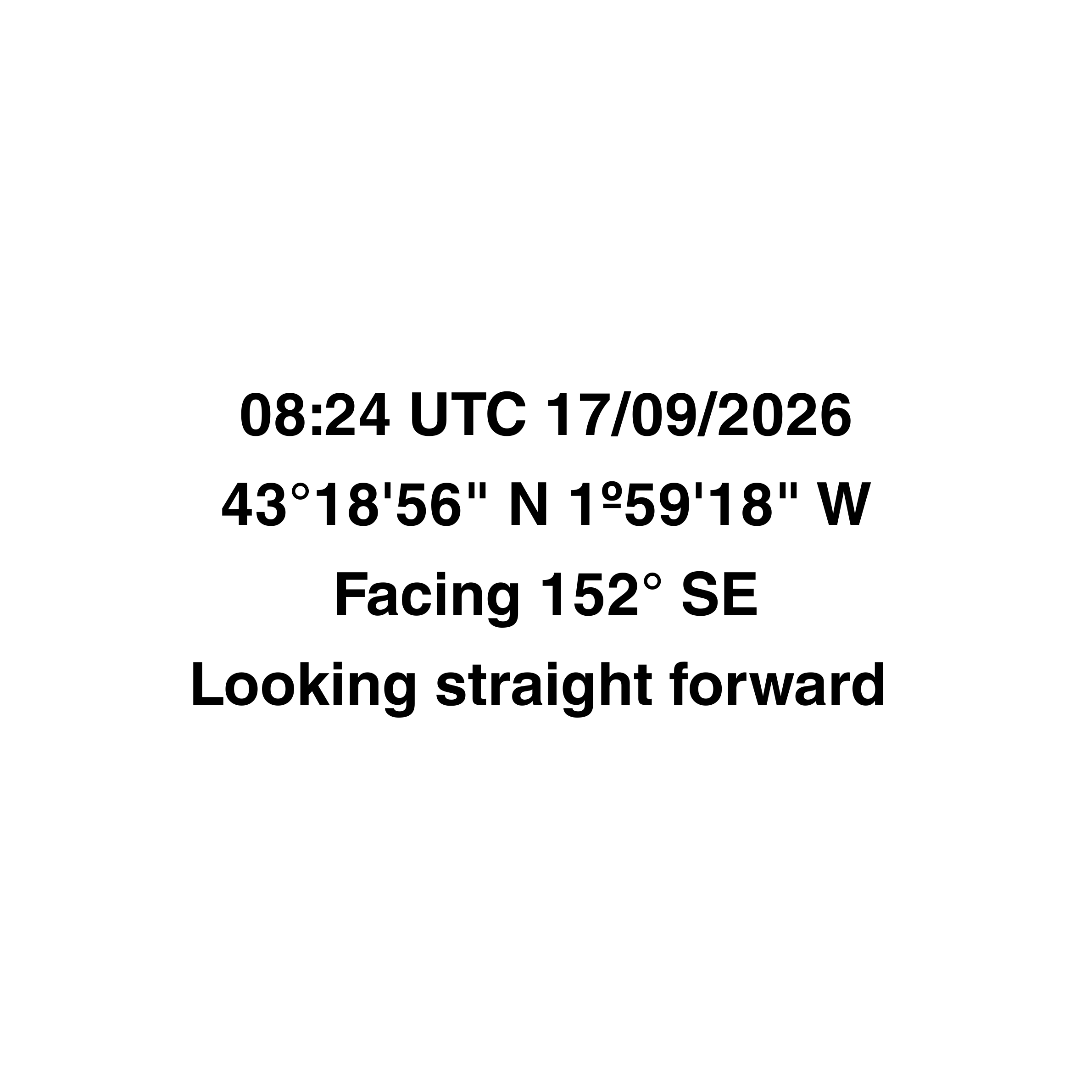
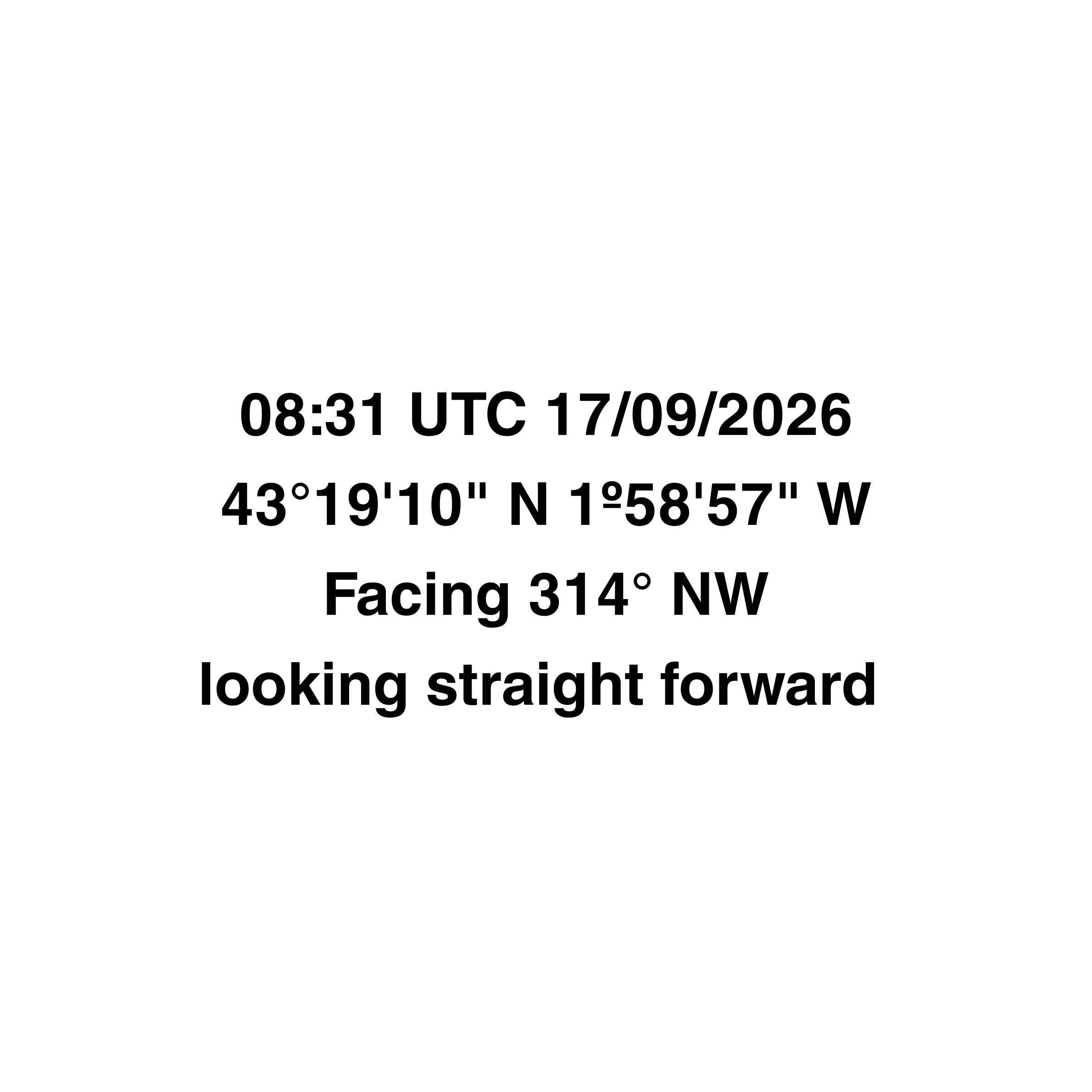
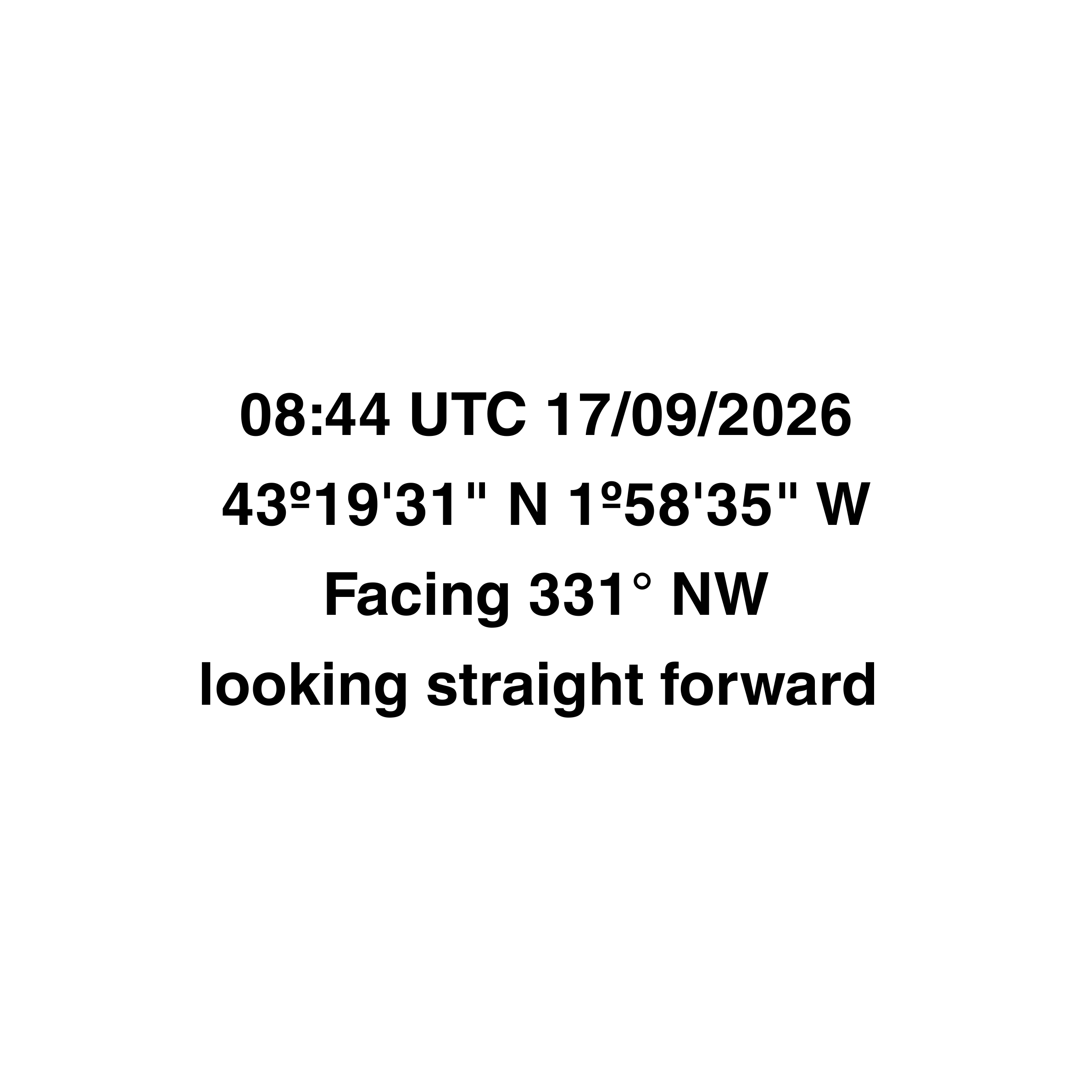
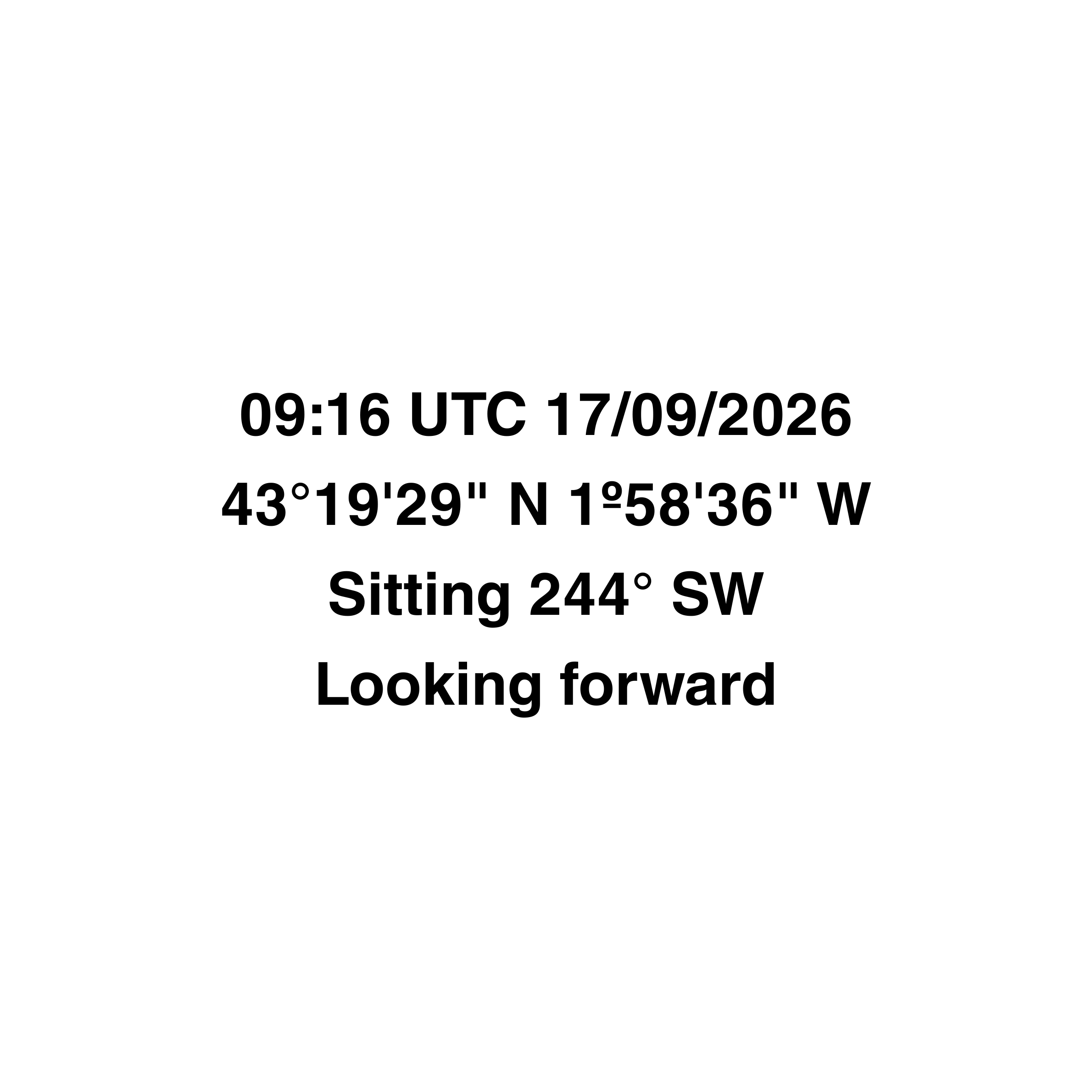
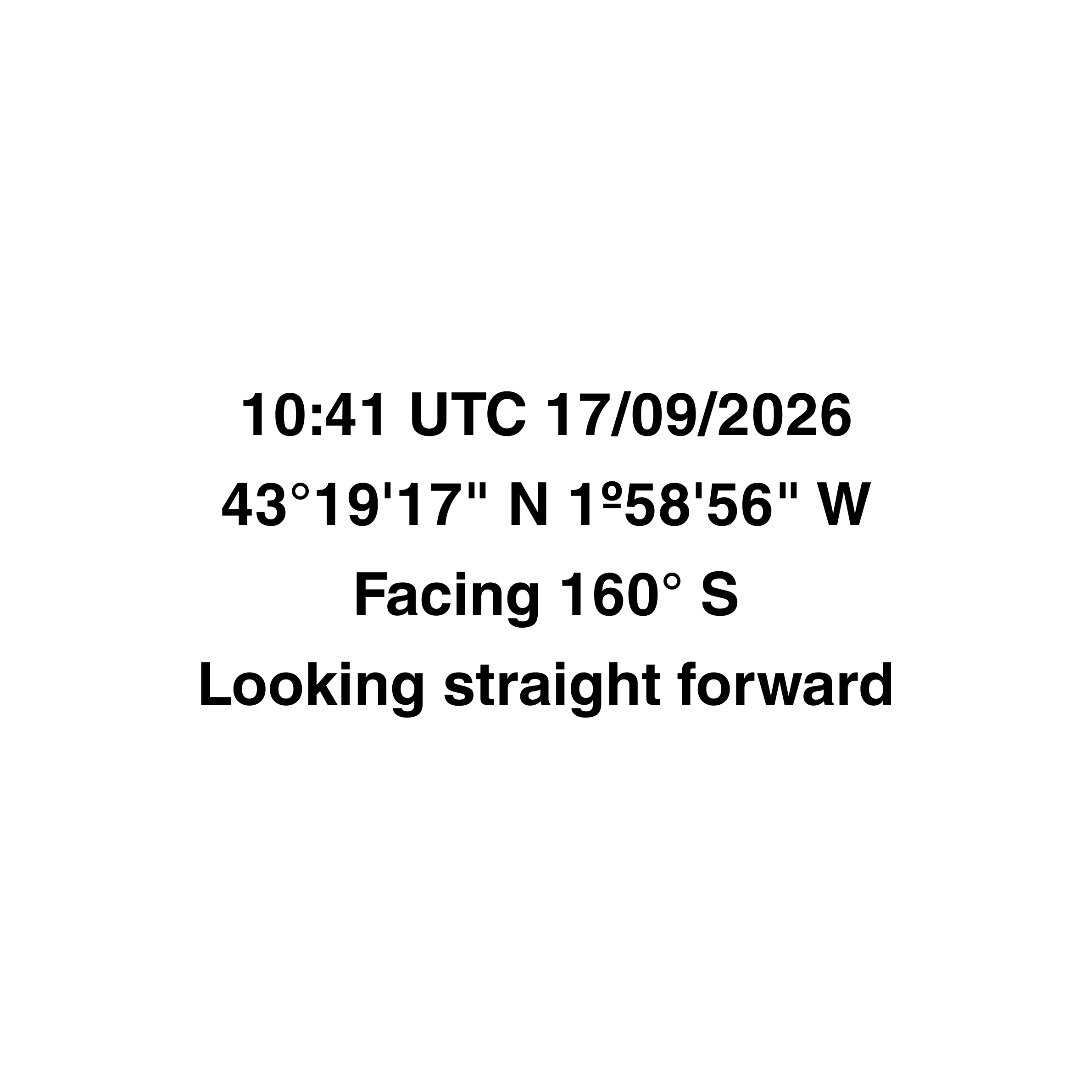
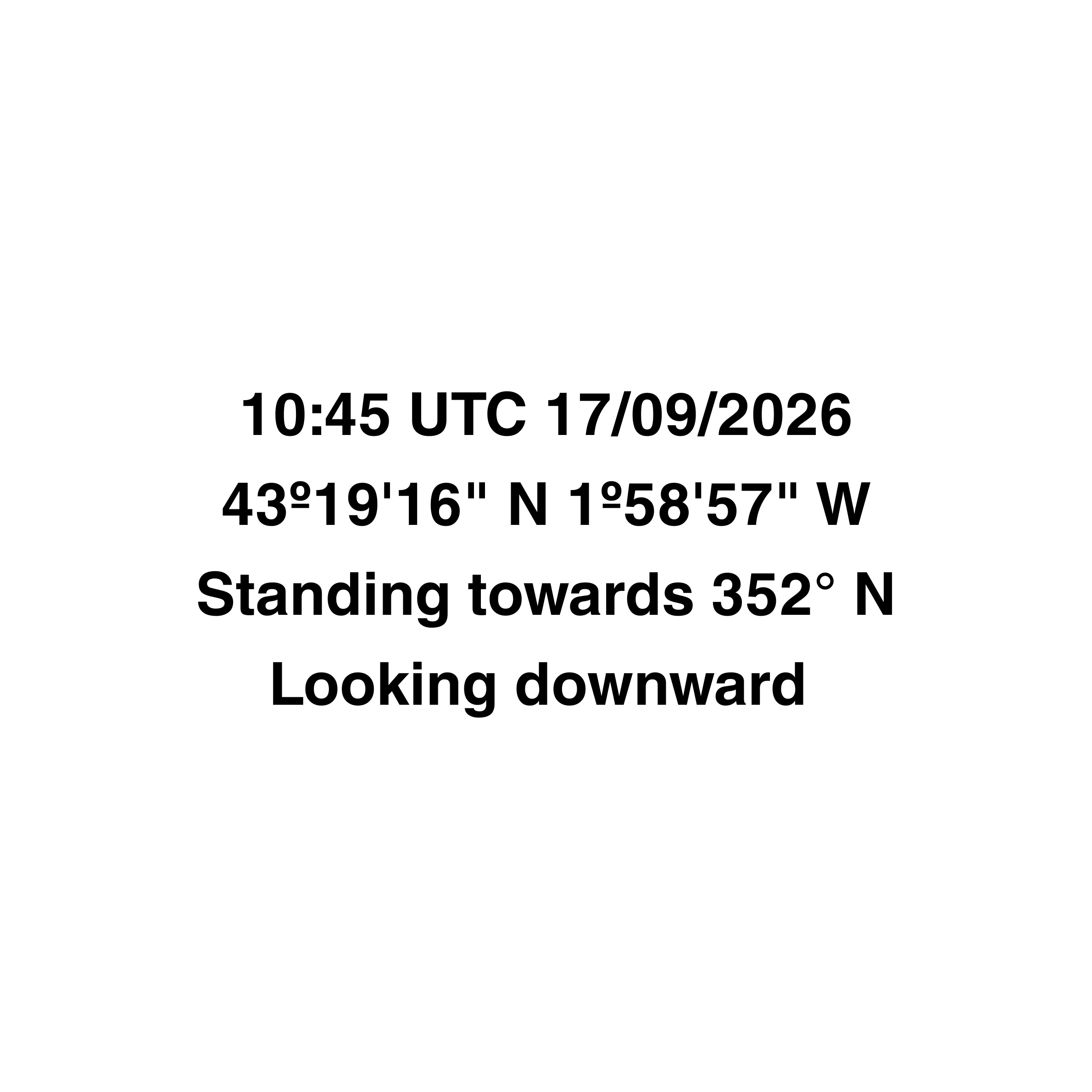
We treat documentation as an archive of the past and a score as a command for the future. One records what has already occurred; the other prescribes what is yet to happen. But I have always felt this distinction collapses.
Presented here are sixteen moments recorded on September 17, 2026. Each entry provides an exact temporal anchor, geographical position, bodily orientation, and pitch of gaze. Stripped of the photograph, the dataset refuses to deliver a sight to consume. Instead, it offers an instruction.
To read a piece of documentation is to enact it. Faced with a heading, a degree bearing, and a tilt of the head; Facing 101° E / Looking up, the reader’s mind must align to the vector, hold the horizon, and construct the sensation of space. The reader becomes the performer. In this sense, all documentation functions as a score, requiring activation to exist.
The inverse logic holds equally true. A score written prior to an event is already an archive. It records the somatic intentions, physical alignments, conceptual choices, and memories of the person who framed it. It documents the experience of its own invention long before it is ever executed.
Where the Mesa Horaria’s 19th-century systems of global measurement sought to capture, possess, and calculate space, these text scores use that same language; UTC time, WGS 84 coordinates, 360-degree vectors; to highlight what escapes calculation entirely. The apparatus can log every coordinate of where a body stood, but the lived experience vanishes the moment it passes.
What remains is not the picture, but a score instructing an unknown body how to look.